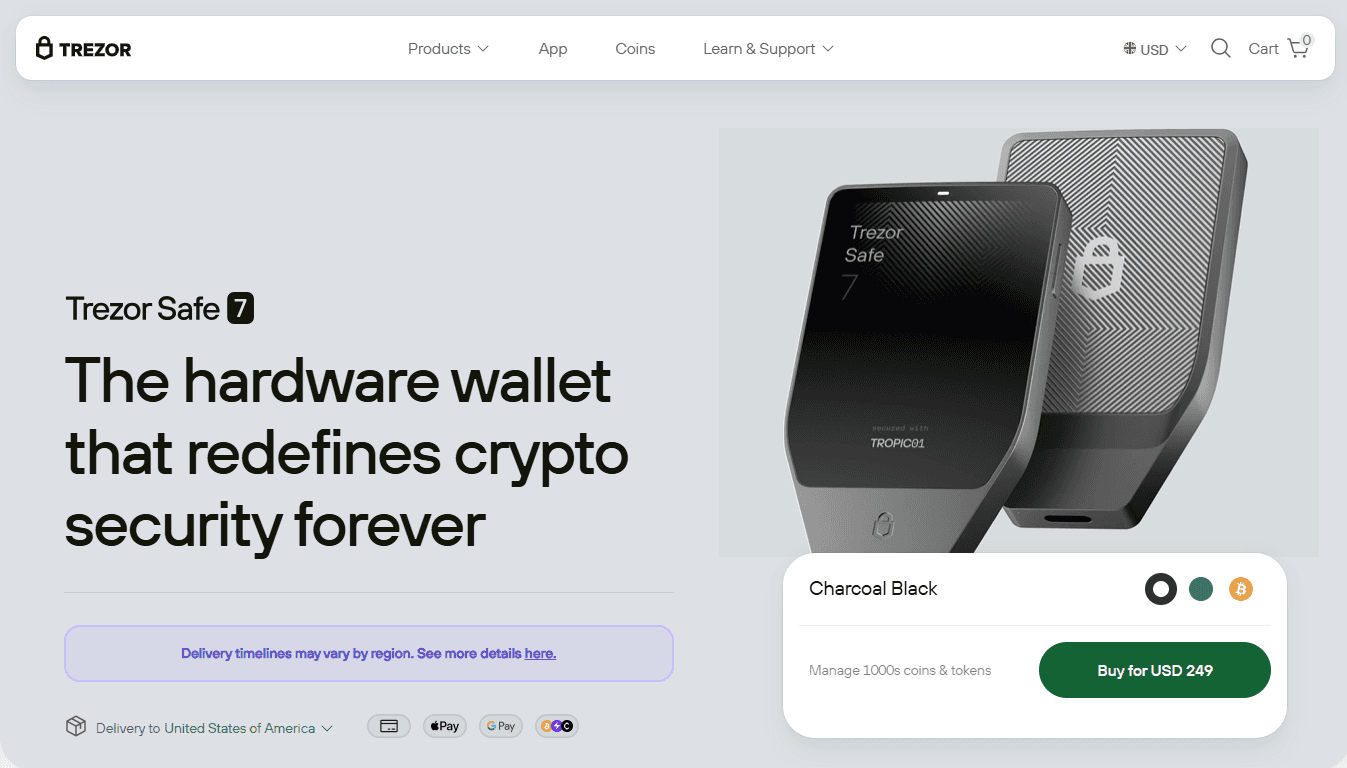
Trézor Suite® v25.11.3 is a recommended update for users seeking a more reliable and refined hardware wallet management experience. Whether installing for the first time or upgrading from a previous version, following proper procedures ensures a smooth transition while maintaining the highest level of security.


This guide explains how to safely install Trézor Suite® v25.11.3, what to check after updating, and how to resolve common issues.


Preparing for the Update


Before installing Trézor Suite® v25.11.3, users should ensure their recovery seed is securely stored offline. While updating the software does not affect wallet data stored on the device, having a verified backup is essential in case of hardware failure or accidental loss.


Users should also close any running wallet applications and disconnect their Trezor device prior to installation to avoid conflicts.


Installing Trézor Suite® v25.11.3

To install the update:

  1. Visit the official Trézor Suite website.

  2. Download the version compatible with your operating system.

  3. Verify the file according to the provided instructions.

  4. Run the installer and follow on-screen steps.

  5. Reconnect your Trezor device once installation is complete.

Android users who prefer manual installation can download the official APK version and install it directly after verifying the file integrity.


Official download page:
https://trezor.io/trezor-suite


Post-Update Checklist


After updating to Trézor Suite® v25.11.3, users should confirm that all expected wallets appear correctly. This is especially important for passphrase-protected wallets, as previous versions occasionally experienced detection inconsistencies that have been improved in this release.


It is also a good practice to review account balances, transaction history, and connected accounts to ensure everything displays correctly. Performing a small test transaction can provide additional peace of mind.


Common Issues and Fixes


Wallet not appearing:
If a wallet does not appear, ensure the correct passphrase is entered and toggle passphrase settings if needed. Restarting the application and reconnecting the device often resolves display issues.


Application not launching:
Reinstalling Trézor Suite® v25.11.3 and clearing application cache can resolve startup problems, especially after upgrading from older versions.


Mobile installation issues:
Android users should ensure installation from official sources only. If installation fails, enable installation from trusted sources temporarily and verify file integrity before retrying.


UI glitches:
Minor interface glitches may occur after updating. Restarting the app or system typically resolves these issues.


Security Best Practices


Trézor Suite® v25.11.3 maintains strong security standards, but user habits remain crucial. Never enter your recovery seed into any software application, website, or form. Always confirm transaction details on the physical Trezor device screen before approval.


Using a strong passphrase and keeping devices physically secure further reduces risk.


Why Updating Matters


Even without major feature additions, maintenance updates like Trézor Suite® v25.11.3 are essential. They improve performance, eliminate bugs, and enhance compatibility with supported assets. Delaying updates may result in a less reliable experience or unresolved display issues.


Conclusion


Trézor Suite® v25.11.3 offers a smoother, more dependable wallet management experience across desktop and mobile platforms. By following proper installation steps and post-update checks, users can benefit from improved stability while maintaining top-tier security. For most users, upgrading is a simple and worthwhile decision that enhances everyday cryptocurrency management.

Create a free website with Framer, the website builder loved by startups, designers and agencies.